If you鈥檙e a woman living with or , you are already aware that choosing a treatment isn鈥檛 just about getting rid of a problem. You鈥檙e also thinking about fertility, recovery time, work, family life and how much the treatment might disrupt your everyday life.
It鈥檚 exactly this reason why having more treatment options matters a lot. In Nigeria, HIFU is one of those options.聽 introduced ultrasound-guided HIFU in Nigeria in 2021 and has now completed 1,000 HIFU treatments for fibroids and adenomyosis.聽
So, what does this milestone mean for women?
1. Let鈥檚 Get Into It: What Even is HIFU?聽
If you鈥檝e been hearing about HIFU but still have zero idea about what it actually means, don鈥檛 worry. We鈥檙e here to make things a little easier for you.聽

HIFU stands for High-Intensity Focused Ultrasound. It uses concentrated ultrasound energy to heat and remove targeted tissue. In fibroid treatment, the treated tissue is slowly broken down and absorbed by the body, allowing the fibroid to shrink over time.
2. So, Why Does HIFU Matter?聽
Fibroids can affect women in many ways. Some women have no symptoms, while others experience heavy or prolonged periods, pelvic pain, pressure, urinary symptoms or pain during sex.

For Nigerian women who have needed treatment, having access to a treatment like HIFU means having another option to consider, and that鈥檚 a great thing.
3. Is HIFU Suitable for Everyone?聽
Not necessarily.

Fibroids often differ in size, number and location, so HIFU should not be presented as a one-size-fits-all solution. Your symptoms, reproductive plans, and even the characteristics of your fibroid all matter when it comes to deciding if HIFU is the right treatment option for you. A specialist can assess your condition and talk you through available treatment options.
4. Okay, But Does it Actually Work?

Research has found that HIFU can significantly improve fibroid symptoms and the patient鈥檚 quality of life while also reducing fibroid size. However, it is not a permanent fix, even though we wish it were. Just like treating with surgery, fibroids can recur or develop again, and some women may eventually need another intervention. The goal is therefore to treat the condition in a way that is appropriate for the individual patient, rather than to promise that a single procedure ends the story.
5. What About Adenomyosis?
Good question. Adenomyosis is different from fibroids, even though they can cause similar symptoms, such as heavy bleeding and painful periods. It happens when tissue similar to the uterine lining grows into the muscle of the uterus.
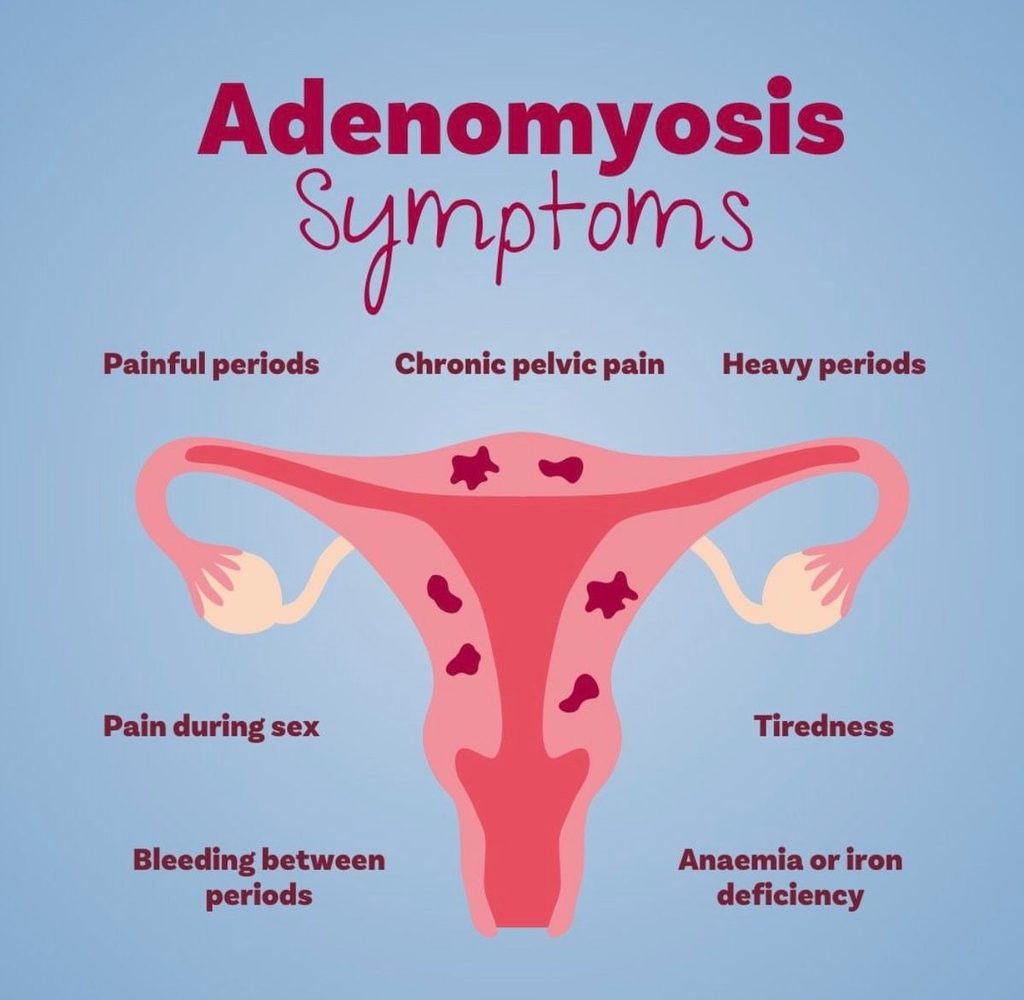
HIFU can target the affected tissue without removing the uterus, making it an option for some women. However, it isn鈥檛 a guaranteed fertility treatment, and outcomes can vary.
6. If Having Children is a Part of the Plan

It is easy to see why fertility becomes part of the HIFU conversation. Since the treatment does not involve the removal of the uterus, it may be attractive to women who want to preserve the possibility of future pregnancy. However, keeping the uterus and proving that a treatment improves fertility are not the same thing. Your chances of getting pregnant can depend on your fibroids, your overall fertility and other individual factors.
If you want children in the future, do make sure to have an extensive conversation with your gynea about how each treatment may affect your fertility before deciding.
7. Nigeria鈥檚 Role Goes Beyond Having the Technology
The development of HIFU at Fibroid Care Centre @ Nordica also creates opportunities for Nigerian clinicians to build expertise through training and ongoing work with the technology.
The wider significance is that healthcare innovation is not only about bringing equipment into the country. It is about developing the people, systems and expertise needed to use that technology properly and sustainably. For Nigerian women, that can mean greater access to advanced treatment without automatically having to seek care abroad.
8. Local Access Could Also Help Reduce Medical Tourism
For women who would spend millions to travel abroad so they can access HIFU, having the treatment available in Nigeria means they can explore an option closer to their home soil. It also gives Nigerians living abroad the opportunity to return home for care.聽
Fibroid Care Centre @ Nordica says it also receives patients from other African countries, including Ghana and Senegal, creating the potential for Nigeria to serve women across the region seeking HIFU.
9. The Bigger Milestone Here? More Appropriate Choices for Women
The most important takeaway here is not that HIFU should replace other treatments. It is that women鈥檚 reproductive healthcare works better when treatment can be tailored to the person rather than reduced to one standard solution.
Ultimately, innovation should offer women more options rather than present a single treatment as the answer for everyone. The 1,000-treatment milestone means HIFU is now one of those options for women in Nigeria.