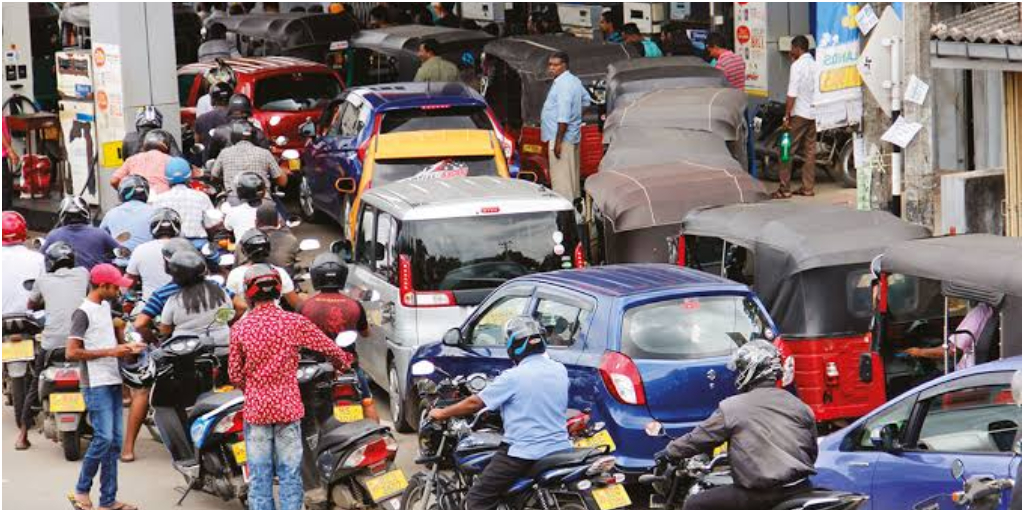
If you鈥檝e been angry about the ongoing fuel scarcity, brace yourself for the worse, as filling stations nationwide might raise their prices soon. The NNPC recently its petrol suppliers $6 billion, partly why fuel queues have persisted nationwide.
These Nigerians, who are still struggling with the subsidy-driven price hikes, share how another fuel price increment will affect their livelihoods.
Hakeem | Food Business Owner | Monthly Income: 鈧�500k
I recently opened a physical store, and we鈥檝e been without electricity for nearly two weeks due to connection issues. In that time, I鈥檝e spent over 鈧�120k on fuel, and that鈥檚 with a strict schedule I devised to limit generator use. Running the gen 24/7 would cost even more. The fuel scarcity has worsened, sometimes forcing us to buy from the black market at 鈧�7k for 5 litres. My worry is if I’ve spent this much in two weeks at the current price, how much more will I budget for fuel in future when they increase the price? These people make running a business harder than it should be. It’s so annoying.
Kenny | Remote Worker | Monthly Income: 鈧�300k
Thankfully, I haven鈥檛 spent much on fuel in the past three months, so I haven鈥檛 paid much attention to fuel scarcity. There鈥檚 been good, consistent light in my area鈥�24 hours most days. Before this, I spent around 鈧�40k weekly on fuel, a big jump from the 鈧�20k I used to spend before the subsidy removal. It鈥檚 frustrating to think a large chunk of my income goes to fueling my generator. I鈥檓 just praying the electricity stays stable because I can鈥檛 imagine spending more than 鈧�40k on fuel if prices go up again.
听
Chinaza* | Phone Technician | Monthly Income: 鈧�200k
I鈥檓 still struggling to adjust to the fuel price hike since the subsidy was removed. Apart from fixing phones, I run a device charging station that requires constant power. Before the subsidy removal, I budgeted 鈧�30-35k for fuel each month, which doubled after the price hike. I had to increase my charging rates, which reduced the number of customers. Some used to charge their devices multiple times a day, but now, they do it once and stretch it out. If fuel prices go up again, I鈥檒l have to raise my prices, or I鈥檒l run at a loss. As much as I hate to admit it, I make the most money when there鈥檚 no light. But this fuel crisis has tanked my business.
Tayo | Private Cab Driver | Average daily income: 鈧�45k-50k
My main worry is that another price hike will make black market fuel even more expensive.
I spend about 鈧�45k-50k to fuel my car for two days, but I sometimes pay more for less fuel when buying from black market sellers. Lately, they鈥檝e been my go-to. I have a theory that many Lagos filling stations tamper with their meters, so even if they sell at 鈧�650 per litre, the quantity is less compared to what I get from black market sellers at 鈧�1k per litre. I鈥檇 rather pay more than waste time in the long queues at filling stations. Right now, black market sellers charge 鈧�7-8k for five litres of fuel. I usually buy about 20 litres from them for 鈧�40k, and it鈥檚 not because I want to. As a cab driver, time is money. The hours I鈥檇 spend queuing at a filling station could be spent completing trips. If fuel prices go any higher, turning a profit will only get tougher.
Akin | Writer | Monthly Income: 鈧�300k
Another fuel price hike feels like the government saying, 鈥渟crew you.鈥� It means I鈥檒l have to rely more on NEPA, which isn鈥檛 exactly dependable. Over the past year, most of my spending has been on food, fuel, transportation, and other essentials. In a heavy month, fuel takes up at least N70k of my 鈧�300k income because I work from home sometimes. That 鈧�70k doesn鈥檛 include what my brother, whom I live with, contributes on the days I don鈥檛 cover the fuel costs.
Read this next: