For Polycystic Ovary Syndrome (PCOS) awareness month, I spoke to five Nigerian women who share how their health concerns were initially dismissed by medical professionals, leading to delayed diagnoses.
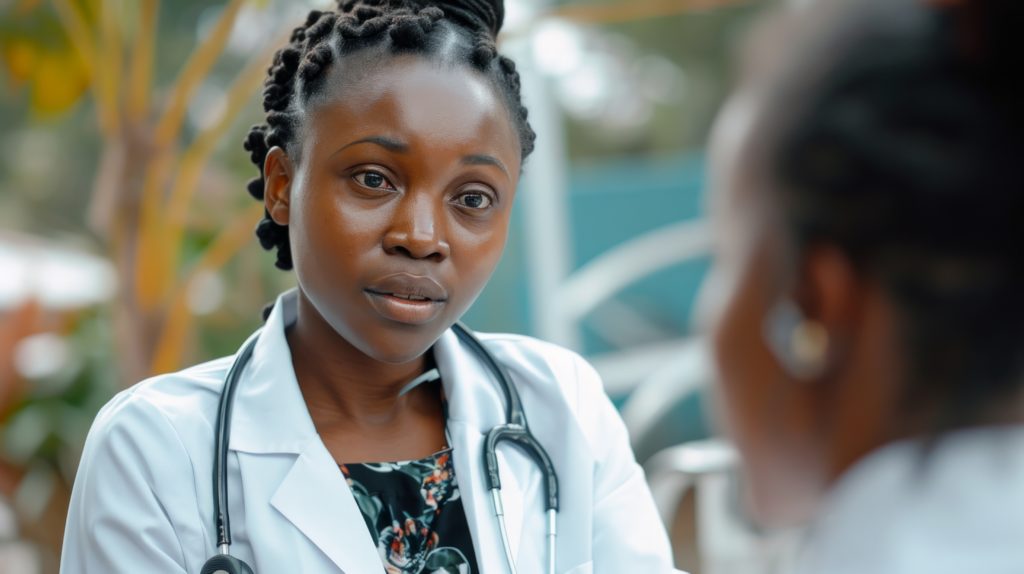
Image by Freepik
Tayo*, 26
I started having irregular periods at 19. I visited the school clinic multiple times, but the matron insisted it was nothing serious, especially after I mentioned I wasn���t sexually active. Still, I knew something was wrong. I could go two months without a period, and when it came, it was unusually heavy.
I���d read about PCOS online, but it wasn���t until a women���s NGO visited our school during a departmental event and a female gynaecologist attended to me that I was finally diagnosed in 2016.
Abike, 27
I���ve always had extremely painful periods. Sometimes, I���d end up in the hospital, and the doctors would tell me to rest, blaming stress and anxiety. When I turned 20, I knew it wasn���t just stress. After doing some research and talking to some of my friends, I suspected PCOS. I visited the school hospital once and requested a pelvic ultrasound, but the doctor didn���t approve it. It wasn���t until I travelled to Lagos with a friend who recommended a specialist hospital that I finally got a diagnosis and treatment options.
Derin*, 24
As a teenager, one of my major concerns was extreme acne. I became a skincare junkie because it affected my confidence and made me self-conscious whenever I stepped out of the house. During hospital visits, doctors would say, “Don���t worry, it���ll clear up as you get older,” I���d believe them, but then I got older, and it never did. On top of the acne, I also started having a bloated tummy and irregular periods. So, I knew it was time to see a specialist, so I went to the teaching hospital in Ibadan, where I was diagnosed with PCOS after some tests. My previous doctors tried to help, but I wish they���d listened to me sooner so I wouldn���t have struggled with it for so long.
Ife*, 32
I���ve dealt with excess hair growth, weight gain, and irregular periods for as long as I can remember. During every hospital visit, I was told to lose weight and change my diet, but no one ran any tests. It wasn���t until I struggled to conceive after marriage that I got tested and was diagnosed with PCOS. I realised I���d been dismissed because of my size, and that delayed my diagnosis and treatment plan.
Bukunmi*, 33
I had a miscarriage in 2019 when trying to conceive. At first, I thought it was a one-time issue, but I had more miscarriages. Around this time, I was also my mum���s primary caregiver as she battled a terminal illness. The doctors said my miscarriages were likely due to emotional distress, but I knew something was wrong. After a fourth miscarriage, which required evacuation, I developed severe acne and started gaining weight.
My doctor then referred me to a gynaecologist who prescribed some tests, and that was when I was diagnosed with PCOS. Looking back, all those miscarriages could have been avoided if I���d been diagnosed earlier.
Are you looking for more information about PCOS? Famasi Africa has worked on a resource, and it’s full of practical tips and essentials for Nigerian women navigating PCOS. Find it .
Read this next: A Fake Genotype Result Cost Me the Love of My Life